sermorelin-5mg-by-ozpharm
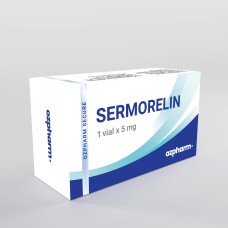

- Brand: Ozpharm
- Product Code: Ozph041
- Reward Points: 45
- Availability: In Stock
- Warehouse US Domestic 2
- $45.00
- Price in reward points: 450
Tags: Sermorelin 5mg by Ozpharm, Ozph041, Bone Health, Muscle Growth
Sermorelin 5 mg – Ozpharm | GHRH Peptide for Growth Hormone Research
Introduction
Sermorelin 5 mg, manufactured by Ozpharm, contains sermorelin acetate, a synthetic analogue of growth hormone-releasing hormone (GHRH). Sermorelin has been studied for its ability to stimulate the pituitary gland to release endogenous growth hormone.
Unlike synthetic growth hormone, sermorelin works upstream by acting on the body's natural growth hormone-releasing pathway. Clinical research has historically investigated sermorelin primarily in children with growth hormone deficiency and growth failure.
Sermorelin should not be confused with direct growth hormone replacement. Its effects depend on the individual's functioning hypothalamic-pituitary axis and ability to produce and release growth hormone.
Product Details
Product Name: Sermorelin 5 mg
Manufacturer: Ozpharm
Active Compound: Sermorelin acetate
Strength: 5 mg
Compound Type: Growth hormone-releasing hormone (GHRH) analogue
Research Area: Growth hormone and endocrine research
Primary Target: Growth hormone-releasing hormone receptor pathway
Status: Peptide / research compound
Historical Clinical Use: Growth hormone deficiency-related growth failure in children
Benefits and Research Properties
The following describe research findings and potential biological effects, rather than guaranteed benefits for every user.
Stimulates Growth Hormone Release
Sermorelin acts as a GHRH analogue and can stimulate the pituitary gland to release growth hormone. Human research has demonstrated that sermorelin can produce measurable growth hormone responses.
Growth Hormone Research
Because sermorelin stimulates endogenous growth hormone secretion, it has been studied as a tool for investigating the GH–IGF-1 axis and pituitary growth hormone function.
Growth and Development Research
Historical clinical research investigated sermorelin in children with growth hormone deficiency and growth failure. Studies reported increased height velocity in appropriately selected pediatric patients.
Endocrine Research
Sermorelin can be used as a research tool for investigating pituitary responsiveness and growth hormone secretion.
GH–IGF-1 Axis Research
Sermorelin is of interest in research involving the relationship between GHRH, growth hormone secretion and downstream IGF-1 signaling.
How Does Sermorelin Work?
Sermorelin is a synthetic analogue corresponding to a biologically active portion of human GHRH.
After interacting with GHRH receptors in the pituitary, sermorelin can stimulate the release of endogenous growth hormone. This differs from administering recombinant growth hormone directly.
The resulting biological response can vary according to factors such as age, pituitary function, baseline hormone levels and other physiological characteristics.
Individuals with severely impaired pituitary function may have limited or absent responses to GHRH-based stimulation.
Potential Research Combinations
There is no universally established combination protocol for Sermorelin 5 mg.
In scientific and clinical research, sermorelin may be evaluated alongside investigations involving:
Growth hormone
IGF-1
GHRH pathways
Pituitary function
Endocrine biomarkers
Growth hormone deficiency
Metabolic and body-composition parameters
Sermorelin should not be promoted as a clinically proven combination therapy with anabolic steroids, other growth-hormone secretagogues, or prescription medicines for bodybuilding or weight loss.
Cycle and Research Protocol
There is no single universally validated Sermorelin 5 mg cycle for general human use.
The 5 mg designation describes the amount of compound contained in the product and does not establish an appropriate individual dosage or treatment duration.
Historical clinical studies used specific physician-supervised protocols for particular medical populations. For example, one pediatric clinical study investigated once-daily subcutaneous GHRH at 30 micrograms/kg/day for growth hormone-deficient children, but this historical study should not be interpreted as a general dosing recommendation for modern products or adults.
For research purposes, protocols should be established by qualified medical or research professionals according to the intended study design, applicable regulations and appropriate monitoring requirements.
Possible Side Effects
Sermorelin has been studied in humans, but its safety depends on the population, formulation, route and clinical context.
Reported or possible adverse effects may include:
Injection-site discomfort
Injection-site redness
Temporary facial flushing
Headache
Dizziness
Nausea
Fatigue
Hypersensitivity or allergic reactions
Changes associated with increased growth hormone activity
Historical clinical research reported transient facial flushing and injection-site pain among the more commonly observed adverse events.
Because sermorelin stimulates endogenous growth hormone secretion, excessive or inappropriate stimulation may potentially affect the GH–IGF-1 axis and requires appropriate clinical consideration.
Sermorelin and Growth Hormone Research
Sermorelin has a long history of investigation in growth hormone physiology.
The FDA's historical records show that sermorelin acetate under the trade name Geref received marketing approval in 1997 for a pediatric indication involving idiopathic or organic growth hormone deficiency associated with growth failure.
Clinical research subsequently demonstrated that sermorelin could increase growth hormone secretion and, in selected children with growth hormone deficiency, increase height velocity.
These findings should not be generalized to claims that sermorelin promotes muscle growth, fat loss, anti-aging or enhanced athletic performance in healthy adults.
Sermorelin for Weight Loss and Body Composition
Sermorelin is sometimes marketed online in connection with fat loss, metabolism and body composition.
However, these claims should be treated cautiously. The strongest historical clinical evidence concerns growth hormone secretion and pediatric growth hormone deficiency rather than sermorelin as an established weight-loss treatment.
The FDA has specifically taken enforcement action against marketing claims that promoted sermorelin for benefits such as weight loss, muscle growth and metabolism without an approved application supporting those uses.
Therefore, Sermorelin should not be marketed as a proven weight-loss or bodybuilding medication.
Who May Study Sermorelin?
Sermorelin may be of interest to researchers studying:
Growth hormone physiology
GHRH signaling
Pituitary function
Growth hormone deficiency
GH–IGF-1 pathways
Endocrinology
Pediatric growth disorders
Hormonal regulation
Metabolic research
Research involving sermorelin should be conducted under appropriate professional and institutional oversight.
Storage Instructions
Storage requirements should always follow the manufacturer's instructions for the specific Ozpharm product.
General research-compound considerations include:
Store according to the manufacturer's specified temperature.
Protect the product from excessive heat and moisture.
Protect from light when required.
Keep the container properly sealed.
Avoid contamination during handling.
Do not use the product if the packaging or product integrity has been compromised.
For reconstituted peptide preparations, storage requirements may differ from those of the original lyophilized material.
Conclusion
Sermorelin 5 mg manufactured by Ozpharm contains sermorelin acetate, a synthetic GHRH analogue that has been investigated for its ability to stimulate endogenous growth hormone release.
Its primary scientific interest involves growth hormone secretion, pituitary function, the GH–IGF-1 axis and growth hormone deficiency research. Historical clinical studies demonstrated increased growth velocity in selected children with growth hormone deficiency.