
glutathione-600mg-by-ozpharm
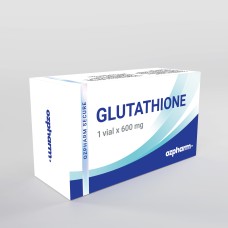
- $33.00
- Price in reward points: 330
Glutathione 600 mg by Ozpharm – Antioxidant & Cellular Health Research Compound
Introduction
Glutathione is a naturally occurring tripeptide composed of glutamic acid, cysteine, and glycine and is one of the body's important intracellular antioxidants. It plays a central role in redox balance, cellular protection, detoxification pathways, and immune-system function.
Glutathione 600 mg by Ozpharm is intended for research involving oxidative stress, antioxidant mechanisms, cellular redox balance, immune signaling, and related biological pathways. Research has also investigated glutathione in areas including skin pigmentation, cellular aging, mitochondrial function, and inflammatory processes.
Product Details
Product Name: Glutathione 600 mg
Manufacturer: Ozpharm
Active Compound: Glutathione
Chemical Type: Tripeptide
Primary Research Category: Antioxidant & Cellular Health Research
Strength: 600 mg
Primary Research Areas: Oxidative stress, redox balance, cellular protection, immune function, detoxification pathways
Intended Use: Research purposes only
Glutathione exists primarily in reduced and oxidized forms and is an important component of cellular antioxidant defense. Its ability to participate in redox reactions makes it an important subject of biochemical and biomedical research.
Research Benefits and Properties
Research on glutathione has examined several important biological properties:
Antioxidant activity: Investigated for its role in neutralizing reactive oxygen species and maintaining cellular redox balance.
Oxidative-stress research: Studied in models involving oxidative damage and cellular stress.
Cellular protection: Investigated for its role in protecting proteins, lipids, and cellular structures from oxidative damage.
Detoxification research: Glutathione participates in enzymatic pathways involved in the metabolism of various compounds.
Immune-system research: Adequate glutathione levels are associated with normal innate and adaptive immune function.
Inflammatory signaling: Research has investigated relationships between glutathione status and cytokine-related pathways.
Mitochondrial research: Studied in relation to mitochondrial redox balance and cellular energy metabolism.
Skin research: Investigated for potential effects on melanin production and oxidative stress within skin cells.
Cellular aging research: Studied as part of research into oxidative stress and age-related cellular changes.
Redox signaling: Investigated as a key regulator of intracellular redox homeostasis.
How Does Glutathione Work?
Glutathione functions as an important intracellular reducing agent and antioxidant. It participates in redox reactions that help maintain the balance between oxidized and reduced molecules inside cells.
It also serves as a substrate for glutathione-dependent enzymes, including glutathione peroxidases and glutathione S-transferases. These pathways are involved in antioxidant defense and the metabolism of reactive compounds.
Research has also examined glutathione's relationship with:
Reactive oxygen species
Oxidative stress
Cellular redox signaling
Glutathione peroxidase activity
Glutathione S-transferase pathways
Mitochondrial function
Immune-cell signaling
Cytokine pathways
Cellular protection
Melanin and melanogenesis pathways
The biological effects of glutathione can vary depending on its concentration, oxidation state, delivery method, tissue distribution, and experimental model.
Potential Research Applications
Glutathione 600 mg may be investigated in a range of scientific areas, including:
Oxidative-stress research
Antioxidant defense mechanisms
Cellular redox biology
Mitochondrial research
Cellular aging studies
Immune-system research
Inflammatory signaling
Cytokine research
Liver and detoxification research
Cellular protection studies
Metabolic research
Skin pigmentation research
Melanogenesis research
Neurobiological research
Tissue-protection research
Redox signaling
Reactive oxygen species research
Glutathione has been investigated across numerous biological and clinical research fields because of its central role in cellular redox homeostasis.
Glutathione Combinations
Research involving glutathione may examine its relationship with other antioxidant and cellular-signaling compounds, including:
N-Acetyl-L-Cysteine (NAC): Studied as a precursor to glutathione synthesis.
Alpha-Lipoic Acid: Investigated in antioxidant and redox research.
Vitamin C: Studied in relation to antioxidant recycling and cellular redox systems.
Vitamin E: Investigated alongside glutathione in antioxidant-defense research.
Coenzyme Q10: Studied in mitochondrial and oxidative-stress research.
Selenium-related systems: Investigated because selenium-dependent glutathione peroxidases participate in antioxidant defense.
Mitochondrial research compounds: Examined in models of cellular energy and oxidative stress.
Anti-inflammatory research compounds: Studied to investigate interactions between redox balance and inflammatory signaling.
These are research concepts rather than recommendations for personal combination or treatment. The appropriate combination depends on the scientific model, research objective, and validated experimental protocol.
Glutathione Cycle and Research Protocol
There is no universal consumer-use cycle for Glutathione 600 mg by Ozpharm.
Published research has used different formulations, routes, concentrations, durations, and experimental designs. Evidence therefore cannot be converted into a standardized personal-use cycle.
For research purposes, protocol design may depend on:
Research objective
Experimental model
Glutathione formulation
Oxidation state
Concentration
Delivery method
Study duration
Biological endpoints
Appropriate controls
Particular caution is warranted with intravenous glutathione. Reviews have highlighted insufficient evidence regarding long-term intravenous use and reported potentially serious safety concerns, including hypersensitivity reactions and hepatotoxicity.
Glutathione 600 mg by Ozpharm should therefore be presented as a research compound rather than marketed with a standardized self-administration cycle.
Possible Side Effects
The potential effects of glutathione can vary depending on the formulation and route of administration.
Reported or investigated effects may include:
Gastrointestinal discomfort
Nausea
Abdominal discomfort
Headache
Dizziness
Fatigue
Skin or injection-site reactions
Allergic or hypersensitivity reactions
Changes in inflammatory or immune signaling
For injectable or intravenous glutathione, additional safety concerns have been reported in the literature. Reviews have identified concerns including serious hypersensitivity reactions and potential liver-related adverse effects, particularly when glutathione is administered intravenously without standardized protocols.
Safety findings from one formulation or route should not automatically be applied to another.
Important Safety Considerations
Glutathione is naturally produced by the human body, but this does not mean that every commercial glutathione preparation or delivery method has been established as safe and effective for general human use.
Important considerations include:
Intended for scientific research unless specifically authorized for another use.
Product purity, identity, concentration, and stability are important research variables.
Different formulations may have substantially different safety profiles.
Intravenous glutathione requires particular caution because of reported safety concerns and limited standardized long-term evidence.
Research findings from oral, topical, and injectable formulations should not be considered interchangeable.
Long-term exposure requires appropriate scientific evaluation.
Research protocols should be designed and supervised by qualified professionals.
Storage
Glutathione 600 mg should be stored according to the manufacturer's specifications and applicable laboratory handling procedures.
Important storage considerations may include:
Protecting the product from unsuitable temperatures.
Limiting exposure to excessive light and moisture.
Preventing contamination.
Maintaining appropriate container closure.
Following validated laboratory procedures for preparation and handling.
Observing the manufacturer's recommended storage conditions.
Always follow the specific storage information supplied with the product.
Glutathione and Antioxidant Research
Glutathione is particularly important in antioxidant research because it is one of the body's major intracellular thiol-containing compounds.
It participates in maintaining cellular redox balance and supports antioxidant defense through interactions with glutathione-dependent enzymes and other antioxidant systems. Research also connects glutathione status with immune function, mitochondrial activity, oxidative stress, and inflammatory signaling.
Glutathione has also been investigated in dermatological research. Studies have examined possible effects on melanin production and pigmentation, although evidence varies according to the formulation and administration route.
Why Is Glutathione 600 mg Being Researched?
Researchers continue to investigate glutathione because of its central role in cellular redox regulation and antioxidant defense.
Major research interests include:
Oxidative-stress regulation
Antioxidant defense
Cellular redox balance
Mitochondrial function
Immune-system function
Inflammatory signaling
Cytokine pathways
Detoxification mechanisms
Cellular aging
Skin pigmentation and melanogenesis
Cellular protection
Metabolic research
Tissue protection
Reactive oxygen species
Redox signaling
Its involvement in multiple biological pathways makes glutathione an important compound for ongoing biochemical, cellular, and translational research.
Conclusion
Glutathione 600 mg by Ozpharm is a research compound centered on the study of antioxidant activity, cellular redox balance, oxidative stress, immune function, mitochondrial biology, and cellular protection.
Glutathione has a well-established biological role as an intracellular antioxidant and has been investigated across numerous areas of biomedical research. However, outcomes can differ according to formulation, route of administration, concentration, study design, and research population.
Related Products
Glutathione 600mg by Ozpharm
$33.00