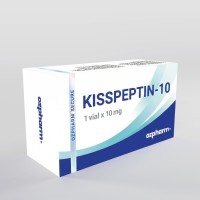
kisspeptin-10-10mg-by-ozpharm
- Brand: Ozpharm
- Product Code: Ozph024
- Reward Points: 55
- Availability: In Stock
- Warehouse US Domestic 2
- $55.00
- Price in reward points: 550
Tags: KissPeptin-10 10mg by Ozpharm, Ozph024, Libido Boost, Skin Protection
Kisspeptin-10 10 mg by Ozpharm – Reproductive & Hormonal Research Peptide
Introduction
Kisspeptin-10 is a biologically active fragment of the kisspeptin family of neuropeptides and is widely studied for its role in reproductive endocrinology. Research indicates that kisspeptin signaling acts upstream of gonadotropin-releasing hormone (GnRH), influencing the hypothalamic-pituitary-gonadal (HPG) axis and downstream reproductive hormone signaling.
Kisspeptin-10 10 mg by Ozpharm is intended for research applications involving reproductive hormone regulation, GnRH signaling, gonadotropin secretion, fertility-related pathways, and endocrine research.
Product Details
Product Name: Kisspeptin-10 10 mg
Manufacturer: Ozpharm
Active Compound: Kisspeptin-10
Peptide Class: Kisspeptin neuropeptide
Research Category: Reproductive & Hormonal Research Peptide
Primary Research Areas: GnRH signaling, LH and FSH regulation, HPG-axis research, reproductive endocrinology
Strength: 10 mg
Intended Use: Research purposes only
Research Benefits and Properties
Kisspeptin-10 is being investigated for several important areas of reproductive and endocrine research, including:
GnRH signaling research
LH and FSH secretion research
HPG-axis regulation
Reproductive hormone signaling
Fertility and reproductive physiology research
Gonadal steroid hormone research
Hypothalamic endocrine signaling
Puberty and reproductive maturation research
Kisspeptin receptor pathway studies
Male and female reproductive research
Human studies have demonstrated that kisspeptin can stimulate reproductive hormone responses, although responses can differ according to sex, menstrual-cycle stage, administration method, and experimental conditions.
How Does Kisspeptin-10 Work?
Kisspeptin-10 interacts with the KISS1 receptor (KISS1R/GPR54), which is expressed on GnRH neurons. Activation of this pathway can stimulate GnRH secretion, subsequently influencing pituitary gonadotropins such as LH and FSH.
This makes Kisspeptin-10 an important research tool for studying the communication between the hypothalamus, pituitary gland, and gonads.
Potential Research Applications
Kisspeptin-10 10 mg may be investigated in research involving:
GnRH neuronal signaling
LH and FSH secretion
HPG-axis physiology
Reproductive endocrinology
Male reproductive hormone research
Female reproductive hormone research
Fertility-related mechanisms
Hypothalamic amenorrhea research
Puberty and reproductive maturation
Gonadal steroid signaling
Kisspeptin/KISS1R pathway research
Neuroendocrine regulation
Ovulation-related research
Metabolic influences on reproductive function
Research has explored kisspeptin signaling in reproductive disorders and assisted-reproduction settings, but further clinical investigation is required to establish therapeutic applications.
Kisspeptin-10 Combinations
In laboratory and experimental research, Kisspeptin-10 may be studied alongside other compounds or pathways to investigate reproductive hormone signaling, including:
GnRH-related research compounds
Gonadotropin research compounds
FSH and LH research protocols
Neurokinin B and dynorphin pathway research
Sex-steroid signaling compounds
Reproductive endocrine research compounds
Metabolic-reproductive signaling compounds
These combinations represent research concepts only and should not be interpreted as recommendations for human use.
Kisspeptin-10 Cycle and Research Protocol
There is no universally established or medically approved consumer-use cycle for Kisspeptin-10 10 mg. Published research has used different experimental doses, routes, exposure patterns, and monitoring procedures.
Importantly, kisspeptin responses can depend on the duration and pattern of exposure, with continuous exposure potentially producing desensitization.
Research duration, frequency, administration method, and monitoring should therefore be determined by the specific scientific protocol and qualified investigators rather than converted into a self-administration cycle.
Possible Side Effects
Human research on kisspeptin has reported generally limited acute adverse-event findings, but the safety profile of a Kisspeptin-10 10 mg research product has not been established as an approved therapeutic product.
Potential concerns requiring investigation may include:
Changes in LH and FSH levels
Changes in testosterone or other sex hormones
Headache or dizziness
Nausea or gastrointestinal discomfort
Temporary endocrine changes
Changes in reproductive hormone balance
Injection-site reactions depending on research administration
Possible hormonal interactions
Unknown effects from prolonged or repeated exposure
Because kisspeptin directly influences reproductive endocrine signaling, its effects may vary considerably according to biological sex, hormonal status, menstrual-cycle phase, and experimental conditions.
Important Safety Considerations
Kisspeptin-10 is an investigational research peptide, and research findings should not be interpreted as proof that a commercially supplied 10 mg product is safe or effective for treating infertility, hormonal disorders, sexual dysfunction, or other medical conditions.
Human research demonstrates biological activity on the reproductive axis, but clinical applications remain an area of ongoing investigation.
Storage
Kisspeptin-10 10 mg should be stored and handled according to the manufacturer's specifications and applicable laboratory research protocols. Appropriate protection from unsuitable temperatures, moisture, direct light, and contamination should be maintained.
Kisspeptin-10 and Reproductive Hormone Research
Kisspeptin has become an important research target because of its position upstream of GnRH within the reproductive endocrine system. Studies indicate that kisspeptin signaling can influence GnRH release and subsequent LH and FSH secretion.
Kisspeptin-10 therefore provides researchers with a useful experimental model for investigating neuroendocrine communication, reproductive hormone regulation, fertility mechanisms, and the HPG axis.
Why Is Kisspeptin-10 10 mg Being Researched?
Kisspeptin-10 is being investigated because of its potential role in:
GnRH and gonadotropin regulation
LH pulse-frequency research
FSH signaling
Male reproductive endocrinology
Female reproductive endocrinology
Fertility-related research
Ovulation-related mechanisms
HPG-axis regulation
KISS1/KISS1R signaling
Puberty research
Metabolic regulation of reproductive function
The kisspeptin-GnRH pathway continues to be an important area of translational reproductive research.
Conclusion
Kisspeptin-10 10 mg by Ozpharm is a research peptide focused on reproductive endocrinology, GnRH signaling, gonadotropin secretion, and HPG-axis research. Its ability to influence reproductive hormone signaling makes it a valuable subject for experimental studies investigating fertility, endocrine regulation, and reproductive physiology.
However, Kisspeptin-10 remains a research compound, and there is no established consumer-use cycle or approved therapeutic protocol for the Ozpharm 10 mg product.